
THE CINEMASTERY JOURNAL
Best Visual Metaphor Techniques for Independent Narrative Film Directors
13 June 2026 · 17 min read
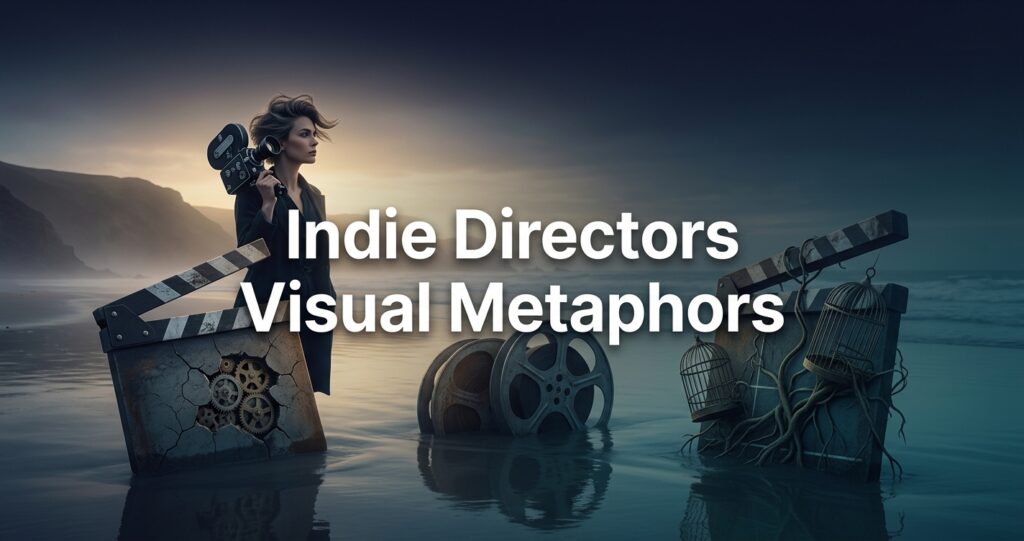
The best visual metaphor techniques for independent narrative film directors represent one of the most powerful tools in cinematic storytelling, letting you communicate a character’s deepest emotional state through a cracked window, a dying houseplant, or an empty chair without a single line of dialogue. In fact, a 2025 eye-tracking study found that hard cuts versus dissolve transitions measurably change viewer attentional attractiveness, affective experience, and cognitive load, meaning the editing structure around your metaphors is just as important as the metaphors themselves.
Key Takeaways
- Symbolic objects communicate character emotion: A single recurring prop, placed with intention, can externalize internal states that dialogue would flatten.
- Settings function as emotional landscapes: The physical environment your character inhabits should mirror, contrast, or foreshadow their psychological condition.
- Color palettes carry metaphorical weight: Shifting hues between scenes or sequences signal emotional transitions without expository narration.
- Framing and negative space are metaphor tools: How much room a character occupies in frame directly communicates their sense of agency or entrapment.
- Editing rhythm reinforces metaphor clarity: The pacing of cuts around a symbolic image determines whether the audience grasps its meaning or misses it.
- Incongruous cues sharpen metaphor comprehension: Deliberately placing an object slightly out of place in a scene directs cognitive attention toward its symbolic role.
- Auteur-level visual metaphor requires a personal visual language: The most effective independent directors develop a repeatable symbolic vocabulary across their work.
Table of Contents
What Are Visual Metaphors in Narrative Film?
A visual metaphor is any image, object, setting, or compositional choice that stands in for an abstract idea, internal emotion, or thematic concept. It works by creating a cognitive map in the viewer’s mind between what they see on screen and what the story means beneath the surface.
For independent narrative filmmakers, visual metaphors carry extra weight. Without the budget for sprawling exposition or large cast emotional performances, the frame itself must carry the story’s emotional architecture.
At Cinemastery Academy, we teach filmmakers to think of every object in the frame as a potential signifier, not just decoration. This mindset shift is what separates technically competent directors from storytellers with a genuine cinematic voice.
Best Visual Metaphor Techniques for Independent Narrative Film Directors: Symbolic Objects
Symbolic objects are physical props that accumulate metaphorical meaning through repetition, transformation, or destruction across a film’s runtime. They are one of the most reliable visual metaphor techniques for independent narrative film directors because they require no additional budget and work entirely through intentional placement.
How to Choose a Symbolic Object
- The object should have a plausible reason to exist in the scene’s world, so its presence reads as natural before it reads as symbolic.
- It should be capable of visual change, such as wilting, breaking, filling, emptying, or growing, so it can track the character’s emotional arc.
- It should connect logically to the character’s psychological core, a musician’s broken string, a parent’s empty seat at the table, a gardener who stops tending their plants.
The Object Transformation Arc
Introduce the object in pristine or neutral condition. Let it degrade, transform, or disappear in parallel with the character’s emotional journey. In the final act, show its absence or restoration to signal resolution.
This three-beat approach gives the audience a visual timeline of internal change without a single word of internal monologue.
Object Placement and Frame Priority
A symbolic object that lives in the background of every frame works subliminally. One that suddenly moves to foreground communicates a threshold moment. Use rack focus to shift attention between character and object at key emotional beats, telling the audience that these two things are now directly connected in meaning.
A concise visual guide to five key metaphor techniques used by independent narrative filmmakers. Each section shows how to translate theme into imagery.
Using Settings and Environment as Visual Metaphors
The location a character inhabits is one of the most underused visual metaphor techniques available to independent narrative film directors. Settings operate as a continuous emotional backdrop that the audience reads constantly, even when their conscious attention is on the characters.
Mirror Settings vs. Contrast Settings
A mirror setting reflects the character’s internal state directly. A character experiencing emotional paralysis lives in a cluttered, airless apartment. A character grieving moves through empty, oversized spaces that dwarf them.
A contrast setting creates irony and tension. A character experiencing internal chaos inhabits a perfectly ordered, sterile environment. This dissonance communicates that the surface appearance of their life does not match their interior experience.
Setting as Foreshadowing
Introduce a setting detail early that the character ignores but the audience registers. A cracked foundation, a door that sticks, a dying tree outside the window. When the character’s life fractures later, the audience unconsciously recalls that earlier image and the metaphor clicks into place.
Practical Location Scouting for Metaphor
- Look for locations with natural contrast between interior and exterior conditions.
- Prioritize spaces with architectural features that can be framed as emotional cages or open passages depending on your shot choice.
- Scout locations at multiple times of day, because natural light changes the emotional temperature of any setting dramatically.
Our Advanced Filmmaking curriculum covers location-based storytelling in depth, including how to scout and frame environments to maximize their metaphorical potential.
Color as a Visual Metaphor for Character Emotion
Color is perhaps the most immediately legible visual metaphor technique because it bypasses analytical cognition and lands directly in emotional processing. For independent narrative directors, a disciplined color strategy costs nothing beyond intentional wardrobe, set dressing, and post-production grading decisions.
Building a Character’s Color Identity
Assign each major character a dominant hue in their wardrobe and immediate environment at the story’s start. As the character changes, shift that color palette. A character moving from isolation to connection might transition from desaturated neutrals toward warmer, more saturated tones.
This is not about making characters look attractive. It is about making their emotional trajectory visible.
Color Collision and Contrast
When two characters with opposing emotional states or thematic functions share a frame, their color identities should collide visibly. This creates a visual metaphor for their relational dynamic without any dialogue.
Saturation as Emotional Intensity
- Desaturated frames suggest emotional numbness, depression, dissociation, or moral ambiguity.
- Oversaturated frames can suggest mania, obsession, nostalgia, or unreliable memory.
- Natural saturation grounds the audience in emotional neutrality or realism, useful when you want the metaphor to come from object placement rather than color.
Framing and Composition as Visual Metaphor Techniques
How you position a character within the frame is one of the best visual metaphor techniques for independent narrative film directors because it requires no additional production resources. The same actor, same location, and same lighting reads entirely differently depending on compositional choices.
Negative Space as Emotional Void
Placing a character in one corner of an otherwise empty frame communicates isolation, irrelevance, or psychological smallness. Increasing the negative space around them as the story progresses externalizes their growing sense of meaninglessness or loss.
Conversely, shrinking the negative space by moving the camera closer or filling the frame with more environmental detail communicates enclosure, anxiety, or mounting pressure.
Frame Entrapment
Shooting a character consistently through doorways, windows, fences, or between other people communicates that they are observed, controlled, or unable to move freely in their world. This technique is especially effective for characters who have not yet consciously recognized their own entrapment.
Vertical vs. Horizontal Framing Energy
- Strong vertical lines around a character suggest aspiration, authority, or imprisonment depending on context.
- Strong horizontal lines suggest stasis, stability, or exhaustion.
- Diagonal compositions create instability, transition, and psychological tension.
If you are still building foundational skills alongside these advanced techniques, our Basics course covers compositional fundamentals that make these metaphorical applications more accessible.
Lighting as a Visual Metaphor Tool
Light and shadow carry some of the oldest and most universally understood visual metaphor associations in cinema. For independent narrative filmmakers, practical lighting rigs and natural light offer powerful metaphorical options without significant cost.
Key-to-Fill Ratio and Emotional State
A high-contrast lighting setup with deep shadows communicates moral complexity, internal conflict, or psychological concealment. Low-contrast, evenly diffused light suggests openness, honesty, or emotional vulnerability.
Shifting the ratio between scenes tracking the same character across their arc creates a visual metaphor timeline without narration.
Light Sources as Metaphor
The source and direction of light carries meaning. Light coming from below suggests threat or wrongness. Light coming from above or behind a character can suggest transcendence, idealization, or unreliability depending on context. A single practical light source in an otherwise dark frame, such as a lamp, a screen, or a candle, suggests the character is clinging to one remaining source of meaning.
Shadow as Character Extension
Deliberately composed shadows that do not match the character’s physical position create a visual metaphor for the distance between who the character appears to be and who they actually are. This technique works particularly well in psychological character studies.
Motion and Stillness as Symbolic Emotional Cues
The best visual metaphor techniques for independent narrative film directors also extend to how characters and the camera move, not just what is placed in the frame. Motion and stillness carry emotional meaning that audiences absorb kinesthetically.
Camera Movement as Emotional Complicity
A camera that follows a character fluidly communicates alignment and empathy. A camera that stays still while the character moves in and out of frame suggests detachment, surveillance, or the character’s own agency.
A camera that moves in opposition to a character, pulling back as they advance, communicates resistance, futility, or the world working against their intentions.
Character Stillness in a Moving World
Holding a character completely still while the environment moves around them, through time-lapse, crowd movement, or environmental weather, externalizes emotional paralysis or dissociation without any performance direction beyond “don’t move.”
Speed and Emotional Register
- Slow motion applied selectively isolates a moment as emotionally significant, signaling to the audience that this image carries metaphorical weight.
- Accelerated motion can suggest the character’s loss of control over time or circumstances.
- Matched movement between two unrelated subjects across a cut creates a visual metaphor linking their emotional or thematic function.
These techniques are covered extensively in our Advanced Filmmaking course, which addresses how movement choices accumulate into a director’s signature visual language.
Editing Rhythm and Visual Metaphor Clarity
Editing is where visual metaphors are either confirmed or collapsed. The pacing and structure of cuts around a symbolic image determine whether the audience registers the metaphor at the level of feeling or simply misses it as background noise.
The Breath Around a Metaphor
A symbolic image needs space before and after it in the edit to register. Cutting away too quickly prevents the audience from holding the image long enough for meaning to form. Holding too long risks making the metaphor feel labored and obvious.
The practical guideline: hold a symbolic image for at least one beat past your instinct to cut. That one extra beat is usually where the emotional landing happens.
Hard Cuts vs. Dissolves in Metaphorical Sequences
A hard cut between a character’s face and a symbolic object creates an assertive, conscious associative meaning. The audience understands these two things are directly connected.
A dissolve between the same two images creates a dreamlike, subconscious association. The metaphor becomes something felt rather than analytically registered.
Rhythmic Repetition
Returning to the same symbolic image two or three times across the film, at structurally parallel moments, trains the audience’s recognition of its meaning. By the third return, the image alone carries the full emotional weight of every prior encounter.
For directors developing these skills at the compositional and narrative level, our Becoming an Auteur Level 3 program addresses the full integration of visual language across a complete independent film project.
Multimodal Visual Metaphor for Independent Directors
Among the best visual metaphor techniques for independent narrative film directors, multimodal metaphor construction is one of the most sophisticated. A multimodal metaphor aligns image, sound design, and contextual setting to deliver the same symbolic meaning across multiple sensory channels simultaneously.
Why Alignment Matters
When your visual metaphor, sound design, and environmental setting all point toward the same emotional meaning, the audience’s comprehension reliability increases significantly. Research published in 2024 in Nature Humanities and Social Sciences Communications supports this, finding that multimodal metaphor representations can be accepted and comprehended more accurately, helping audiences access metaphorical messages more consistently.
Building Multimodal Metaphor Without Dialogue
Select a symbolic object. Place it in an environment that shares its emotional register. Use a sound design element that echoes its quality (fragility, weight, emptiness, warmth). Then frame and light the combined scene so that all three layers reinforce the same emotional meaning.
This is the difference between a prop that happens to be symbolic and a cinematic visual metaphor that lands at the level of visceral feeling.
Avoiding Multimodal Contradiction
- Do not use an uplifting musical cue over a visually desolate metaphorical image unless the contradiction is itself the point.
- Do not place a symbolic object of fragility in an environment of overwhelmingly robust architectural stability unless you are building irony intentionally.
- Every layer should either reinforce or deliberately counterpoint the metaphor’s core meaning, never simply be unrelated to it.
Developing Your Own Visual Metaphor Language as an Auteur
The best visual metaphor techniques for independent narrative film directors ultimately need to cohere into a personal, repeatable visual language. Random symbolic choices across different films produce interesting individual moments but no recognizable directorial identity.
Identifying Your Core Symbolic Vocabulary
Review your work across multiple projects and ask which physical objects, environmental conditions, and compositional patterns appear most frequently in your strongest scenes. These are the elements your visual instincts already reach for. They are the beginning of your personal symbolic vocabulary.
Auteur directors do not invent a new visual language for every film. They deepen and complicate a consistent one.
Building a Visual Metaphor Brief for Each Project
Before production begins, write a one-page visual metaphor brief for each character. Include their primary symbolic object, their environmental metaphor, their color identity, and their dominant lighting condition at the story’s start and end. Use this brief to guide every production design, location, and lighting decision.
This document is not a constraint. It is a creative anchor that keeps every frame pointing in the same thematic direction.
Testing Metaphors in Pre-Production
- Photograph your symbolic objects against their intended backgrounds before shooting begins.
- Show these images to someone unfamiliar with your script and ask what emotions or themes they register.
- If their reading aligns with your intention, the metaphor is working. If it does not, the object, environment, or framing needs adjustment.
Our full progression from foundational skills through auteur-level practice is available through the Filmmaker Bundle, which gives you access to all three levels of training in a single pathway designed for serious independent directors.
The Long Game: Metaphor Across a Body of Work
The most resonant visual metaphors in independent cinema accumulate meaning across multiple films by the same director. A recurring symbol across your body of work signals that you are not just making individual films but building a unified artistic statement.
At this level of practice, we recommend exploring the full Becoming an Auteur course, which specifically addresses how to develop a coherent directorial vision that spans individual projects.
Conclusion
The best visual metaphor techniques for independent narrative film directors share a common foundation: every object, setting, color, frame, light source, and editing choice is a potential carrier of meaning. The directors who master this craft learn to compose frames the way poets compose lines, with every element doing double or triple work simultaneously.
We have covered symbolic object arcs, setting as emotional landscape, color identity, compositional entrapment, lighting as character extension, motion and stillness, editing rhythm, multimodal alignment, and the development of a personal visual language. Each of these best visual metaphor techniques becomes exponentially more powerful when applied together within a unified directorial brief.
The goal is not to be clever. The goal is to communicate complex character emotion so precisely through purely visual means that dialogue becomes one option among many rather than the default carrying mechanism of your story.
If you are ready to apply these techniques at a deeper level, explore the full curriculum at Cinemastery Academy’s Basics Level 1 and work your way through to the advanced and auteur-level programs. Your visual language as a filmmaker is waiting to be built with intention.
Frequently Asked Questions
What are the best visual metaphor techniques for independent narrative film directors working on a low budget?
The most cost-effective visual metaphor techniques for independent narrative film directors are symbolic object arcs, framing and composition choices, and natural lighting manipulation. None of these require additional budget because they rely on intentional placement and framing rather than production resources.
How do I use symbolic objects to show character emotion without dialogue?
Introduce the object in a neutral or pristine state early in the film, then let it transform, degrade, or disappear in parallel with your character’s emotional journey. Place it in foreground during emotional turning points to signal to the audience that the object and the character’s internal state are directly connected.
Is visual metaphor in film something you learn or something that comes naturally?
Visual metaphor is a learnable craft skill that improves with deliberate study and intentional practice across multiple projects. Most intermediate and advanced independent filmmakers find that studying the visual language of directors they admire, combined with structured training, accelerates their development significantly faster than intuition alone.
How does color work as a visual metaphor for character emotions in independent film in 2026?
In 2026, color metaphor in independent narrative film operates through palette assignment, saturation shifts, and color collision between characters in shared frames. Desaturation communicates emotional numbness, while oversaturation can suggest obsession or memory distortion, all without a word of narration.
What is the difference between a visual metaphor and a visual symbol in filmmaking?
A visual symbol carries a fixed, culturally recognized meaning (a flag, a cross, a clock). A visual metaphor creates a new mapping between a concrete image and an abstract idea specific to your film’s world, building its meaning through context and repetition rather than relying on pre-existing cultural associations.
How many visual metaphors should an independent narrative film use without feeling overloaded?
Most effective independent narrative films operate with one primary symbolic object per major character, one environmental metaphor per key location, and one overarching color strategy. Adding more than this risks diluting the audience’s ability to track and emotionally register any individual metaphor fully.
Can editing rhythm really affect whether viewers understand a visual metaphor?
Yes. Research shows that hard cuts vs. dissolves around a symbolic image create measurably different levels of attentional and cognitive engagement in viewers. Giving a symbolic image one extra beat past your instinct to cut is one of the most practical visual metaphor techniques independent narrative film directors can apply immediately in the edit.